
From Rubble to Road: Innovative Ways to Repurpose Building Waste
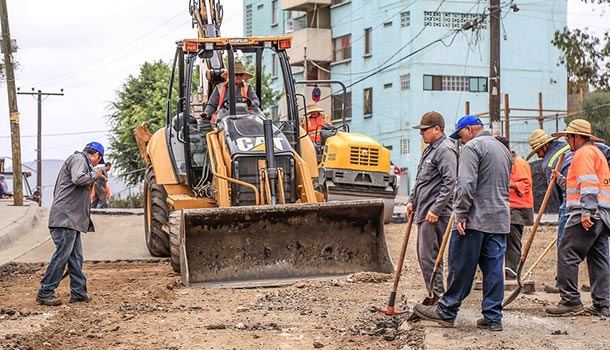
The construction industry generates a significant amount of waste, including building rubble, which can have negative environmental impacts if not properly managed. However, with the right techniques, building rubble can be repurposed and reused, creating a more sustainable and circular economy. There are innovative ways to repurpose building waste, specifically for road construction.
The importance of environmentally friendly road building is rising as we work to reduce waste and save the environment. Traditional road-building techniques call for the use of limited-supply, non-renewable natural resources like aggregates. Road construction can help preserve natural resources and lessen its negative effects on the environment by using recycled materials like construction debris.
Repurposing Building Rubble for Road Construction
Building rubble can be repurposed and used in various ways in road construction. One option is to use crushed concrete as a base material for roads, which can reduce the need for virgin aggregates. As an additional choice, you can use Reclaimed Asphalt Pavement (RAP) which is created from recycled asphalt and can be utilized as a base layer or surface layer for roadways.
Using recycled materials, such as building rubble, in road construction offers a number of benefits. It can aid in resource preservation, lessen the negative effects of road building on the environment, and decrease the amount of waste disposed of in landfills. Additionally, recycled materials can be less expensive than natural materials, providing cost savings for road construction projects.
Although recycling materials for building roads has numerous advantages, there are some drawbacks as well. One challenge is ensuring the quality of the recycled materials, as they may not meet the same specifications as virgin materials. Additionally, the logistics of transporting and processing recycled materials can be more complex than virgin materials.
Case Studies
There are many successful case studies of using recycled materials in road construction. For example:
- In Australia, the Sydney Olympic Park Authority used recycled materials, including crushed glass and crushed concrete, in the construction of a new road.
- In the United States, the Minnesota Department of Transportation used recycled asphalt shingles (RAS) in road construction, which helped to reduce costs and conserve natural resources.
After removing building rubble from the construction site, repurposing them for road construction offers a sustainable solution to the waste generated by the construction industry. Recycled materials can be used in road construction to reduce waste, protect natural resources, and lessen the environmental impact of the process. While there are some challenges to using recycled materials, the benefits are clear. As we move towards a more sustainable and circular economy, it is important to explore innovative ways to repurpose waste materials, including building rubble, in road construction.